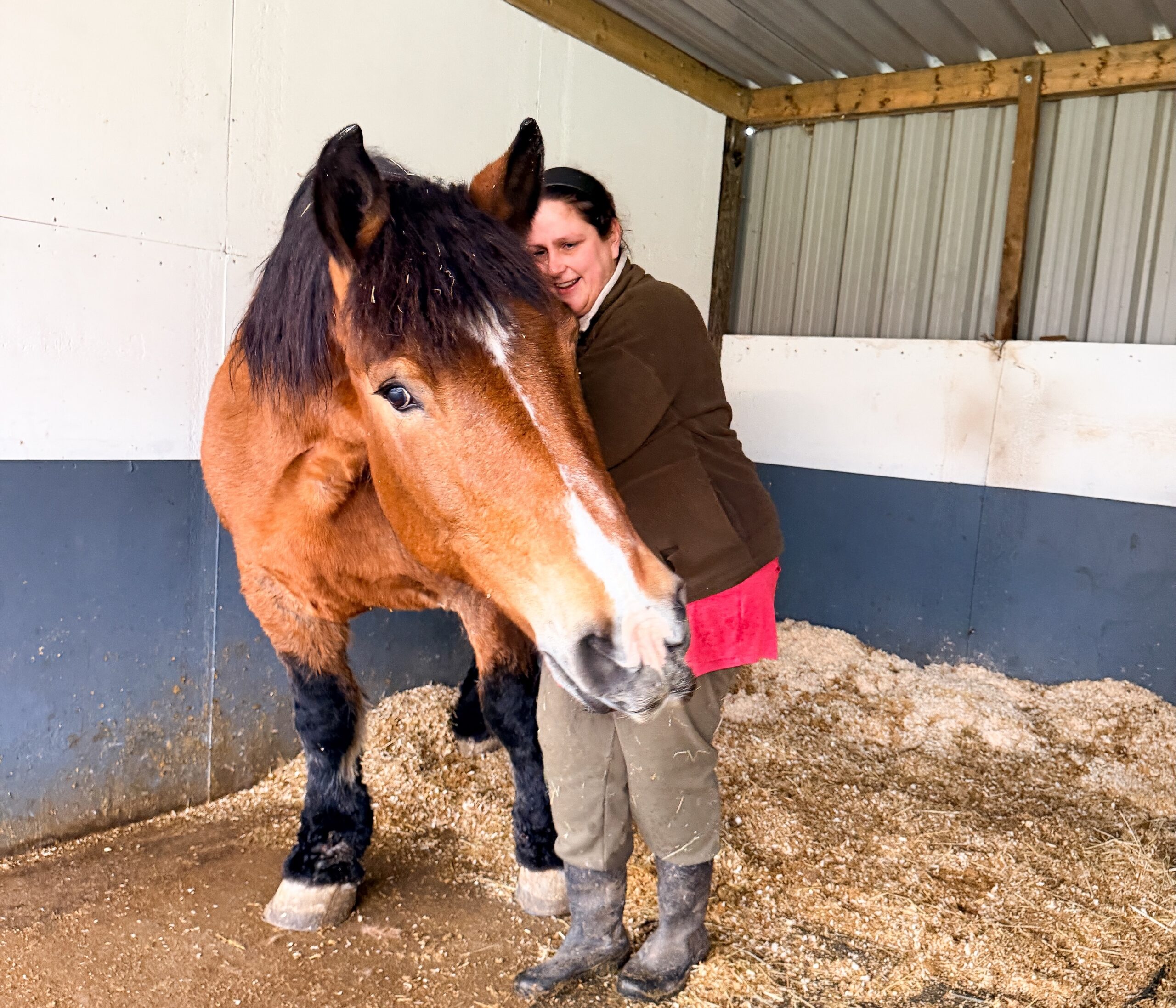

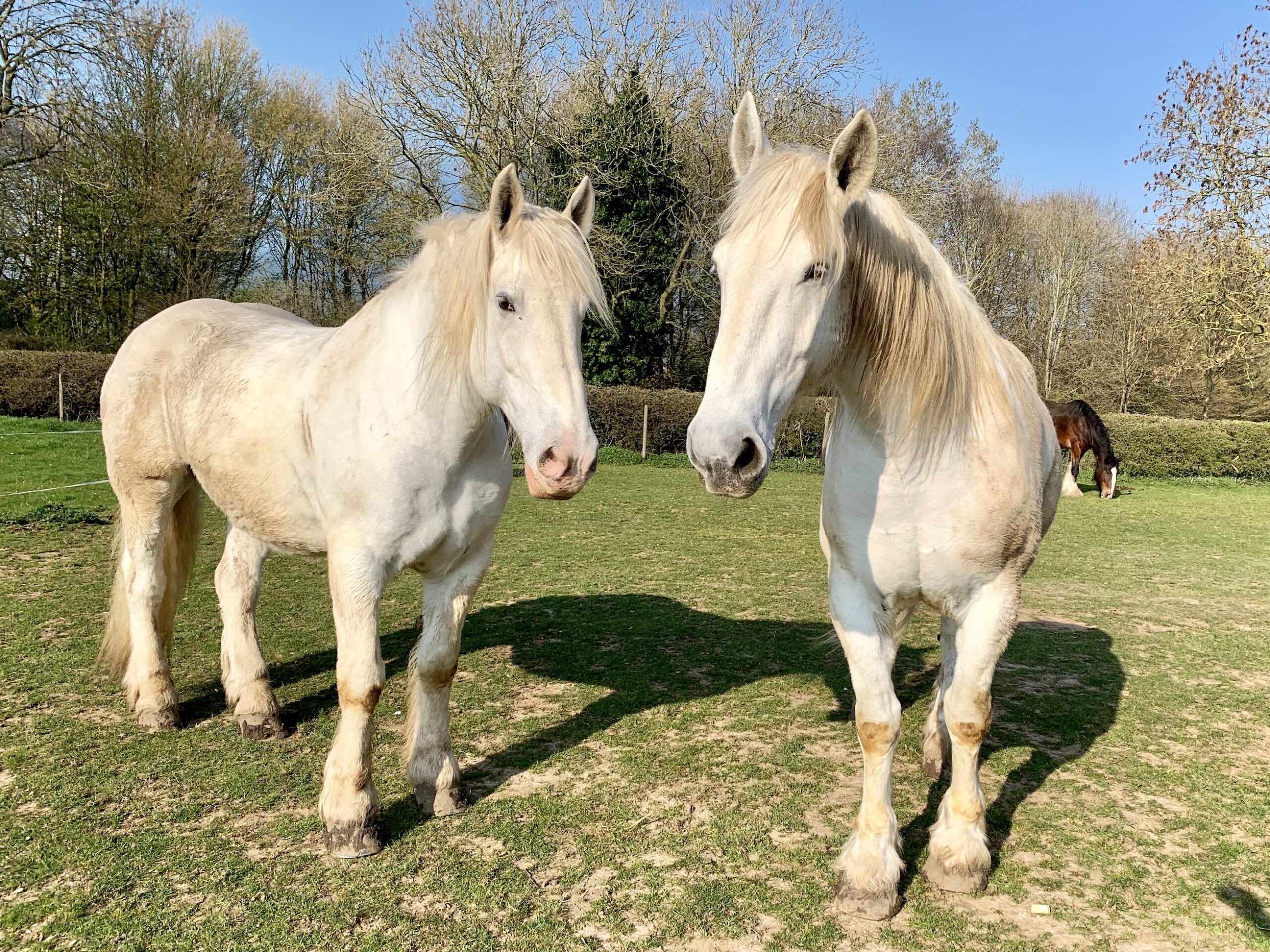
At our animal sanctuary, our heavy horses are some of our most recognisable and much-loved residents. Many of these gentle giants have found a safe and permanent home with us after changing circumstances or retirement from working life. Each horse has their own personality, from calm and steady characters to those who enjoy attention and interaction.
Every day, our heavy horses enjoy spending time in their paddocks, grazing, socialising with one another, and relaxing in a calm and secure environment. With the support of our dedicated volunteers, they receive a carefully managed diet, suitable shelter, and regular veterinary and farrier care. Because of this ongoing commitment, our horses can remain comfortable, content, and well cared for throughout their lives.
If you’d like to learn more about our sanctuary and the work we do, you can visit our About Us page.
Heavy horses, including Shire horses, are known for their impressive size, strength, and gentle nature. Historically, they played an essential role in farming, transport, and industry. Today, they are admired for their calm temperament and strong bond with people.
Although they are large animals, heavy horses are often surprisingly gentle and patient. With the right care and handling, they can enjoy long, relaxed lives.
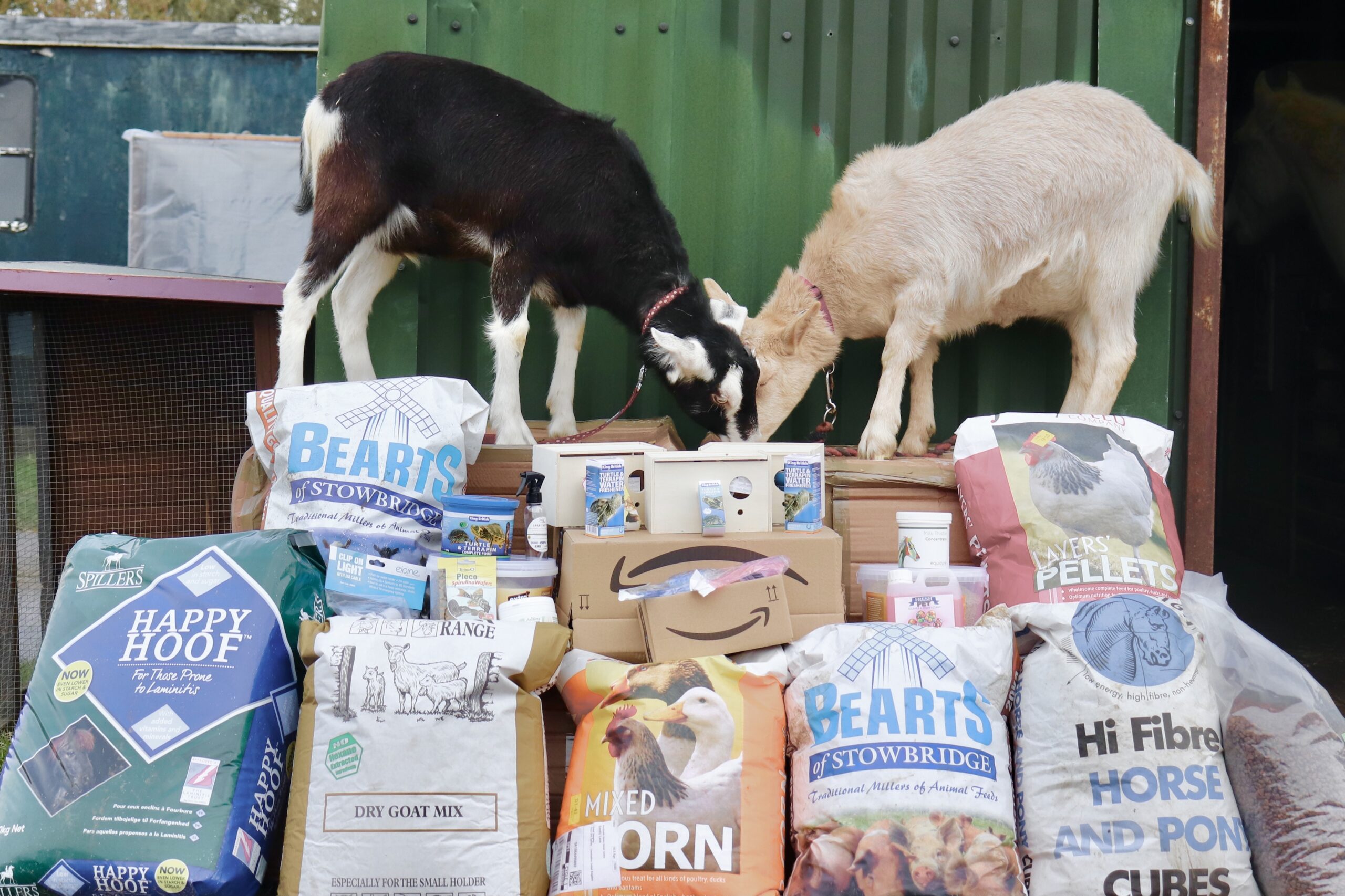
Heavy horses require a carefully balanced diet to support their size and overall health. A typical diet includes good-quality forage, such as hay or grass, along with appropriate supplementary feed when needed.
However, because heavy horses can be prone to weight-related issues, careful monitoring is essential. For this reason, feeding plans are tailored to each individual horse, taking into account age, workload, and health.
Safe and comfortable housing is essential for heavy horses. Stables must be spacious, well ventilated, and kept clean and dry. In addition, regular turnout allows horses to move freely, graze, and socialise.
Access to suitable paddocks helps support both physical and mental wellbeing. As a result, horses are calmer, healthier, and more relaxed.
Heavy horses require regular grooming to keep their coats and skin healthy. Grooming also helps strengthen the bond between horse and handler and allows for early detection of any issues.
Because many heavy horses have feathering around their legs, extra care is taken to keep these areas clean and dry. This helps reduce the risk of skin problems and discomfort.
Like all horses, heavy horses need routine health care. This includes regular veterinary checks, vaccinations, dental care, and visits from a qualified farrier.
Daily observation plays an important role in welfare. Changes in movement, behaviour, or appetite can often be early signs that something needs attention.
Caring for heavy horses is a significant responsibility. It requires knowledge, time, and dedication. In return, these horses offer companionship, calm presence, and a strong connection to our agricultural heritage.
If you would like to meet our heavy horses in person, you can plan your visit here: Visit Northcote Horses & Animals
As a registered charity, everything we do depends on donations and community support. By supporting our sanctuary, you help us continue to provide lifelong care for heavy horses and other animals in need: Support Our Sanctuary