
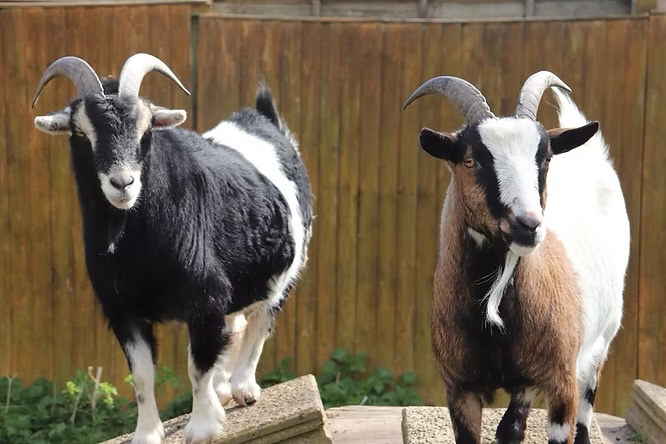
At our animal sanctuary, our goats are much-loved residents who have found a safe and permanent home with us. Each goat has their own personality. Some are playful and mischievous, while others are calm and gentle and enjoy a quiet fuss. As a result, the herd is full of character and charm.
Every day, our goats explore their paddocks, browse on grass and plants, and socialise with their companions. They also enjoy the freedom of a calm and secure environment. With the help of our dedicated volunteers, they receive a balanced diet, suitable shelter, and prompt veterinary care when needed. Because of this lifelong care, our goats can relax, thrive, and simply enjoy being goats.
If you’d like to learn more about our sanctuary and the work we do, you can visit our About Us page.
Goats are intelligent and social animals. They are well known for their curiosity and problem-solving skills. In addition, goats enjoy interaction with both other goats and people they trust. However, they do have specific needs that must be met to keep them healthy and content.
By understanding how goats eat, live, and behave, we can give them a much better quality of life.
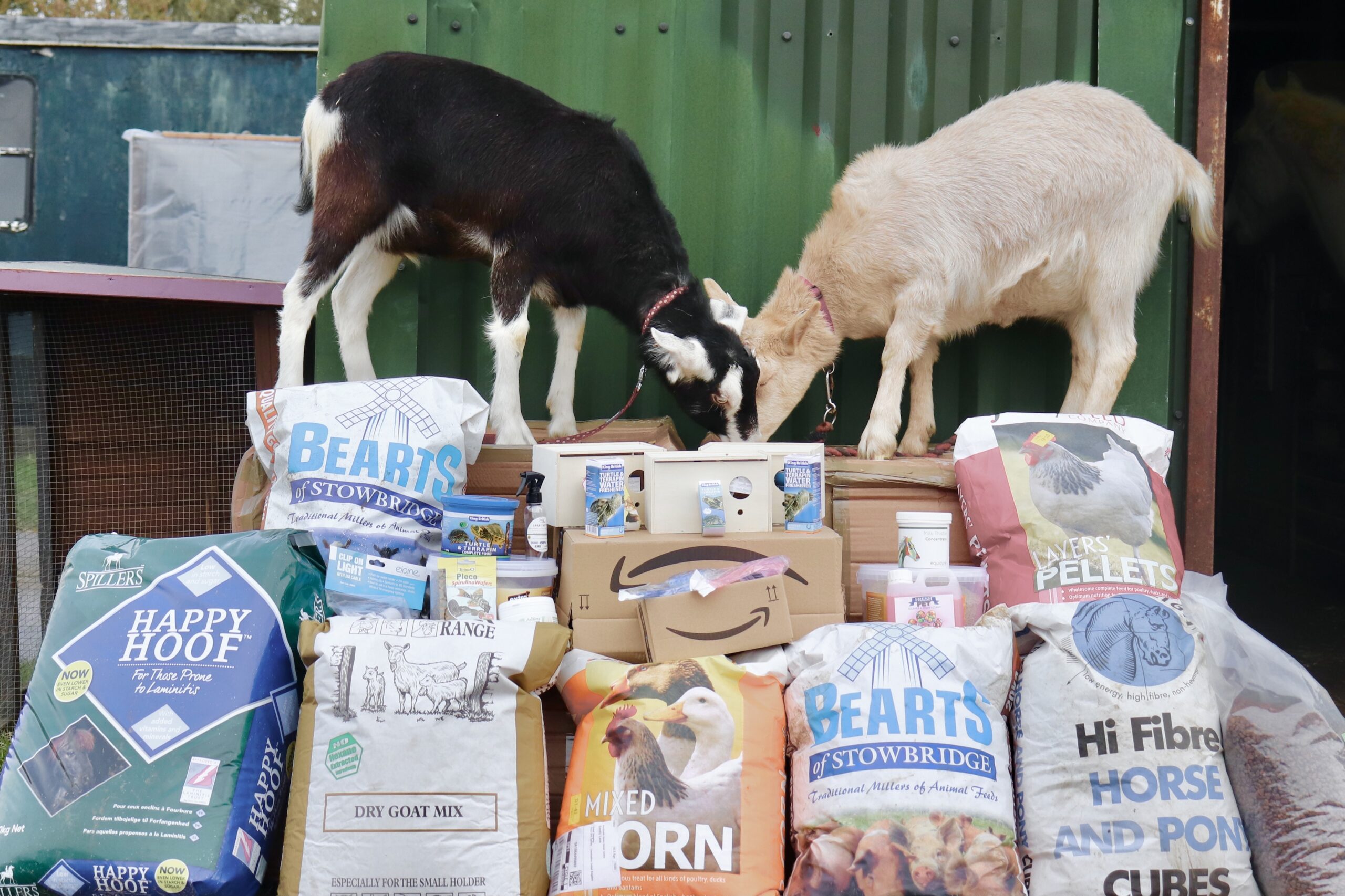
Goats are browsers rather than grazers. This means they enjoy a varied diet made up of plants, shrubs, and grasses. A healthy diet includes good-quality hay, constant access to fresh water, and a balanced feed designed specifically for goats.
Fruit and vegetables can be offered as occasional treats. However, they should always be given in moderation. Overfeeding or unsuitable foods can cause serious health problems, including bloat and digestive issues. For this reason, fresh and clean water must always be available.
Goats need safe, dry shelter throughout the year. Their housing should protect them from wind, rain, cold weather, and excessive heat. At the same time, good ventilation is essential.
Shelters must remain clean, dry, and spacious enough for goats to move around comfortably. In addition, bedding such as straw helps keep them warm and dry. Regular cleaning also reduces the risk of illness.
Goats are relatively low-maintenance animals. Even so, regular grooming plays an important role in their care. Brushing helps keep their coats clean and supports healthy skin.
Most importantly, goats need regular hoof trimming. If hooves grow too long, goats can suffer from discomfort, lameness, or infection. Occasionally, goats may also need bathing, especially if they become very muddy. When bathing is needed, animal-safe products should always be used.
Like all livestock, goats can be prone to worms, parasites, and other health conditions. Preventative care is essential. Therefore, routine health checks, vaccinations, and worming programmes play an important role in their wellbeing.
Daily observation is equally important. Changes in behaviour, appetite, or movement can often provide the earliest signs that something is wrong.
Caring for goats is a long-term commitment. It requires time, knowledge, and compassion. In return, goats offer companionship, entertainment, and endless personality. Because they are social animals, goats thrive on routine, interaction, and calm handling.
If you would like to meet our goats in person, you can plan your visit here: Visit Northcote Horses & Animals
As a registered charity, everything we do relies on donations and community support. By supporting our sanctuary, you help us continue to provide safety, stability, and lifelong care for animals like our goats: Support Our Sanctuary